
Giving
Giving is a powerful act that supports not only the recipient, but also the giver—deepening health, wellbeing, and connection.
It is, at its core, a builder of community.
Meaning
A common denominator for what people across the world say is meaningful in their lives relates to being something or someone for something other than just themselves.
Giving, in other words, is a pathway to meaningful living.
Education
If giving is linked to meaning, and meaning to greater wellbeing, where does this sit within our education systems?
How can we plan and teach a curriculum that truly transforms the way we relate to ourselves, others, communities, the environment, and the greater whole?
Unlocking the benefits of giving through education
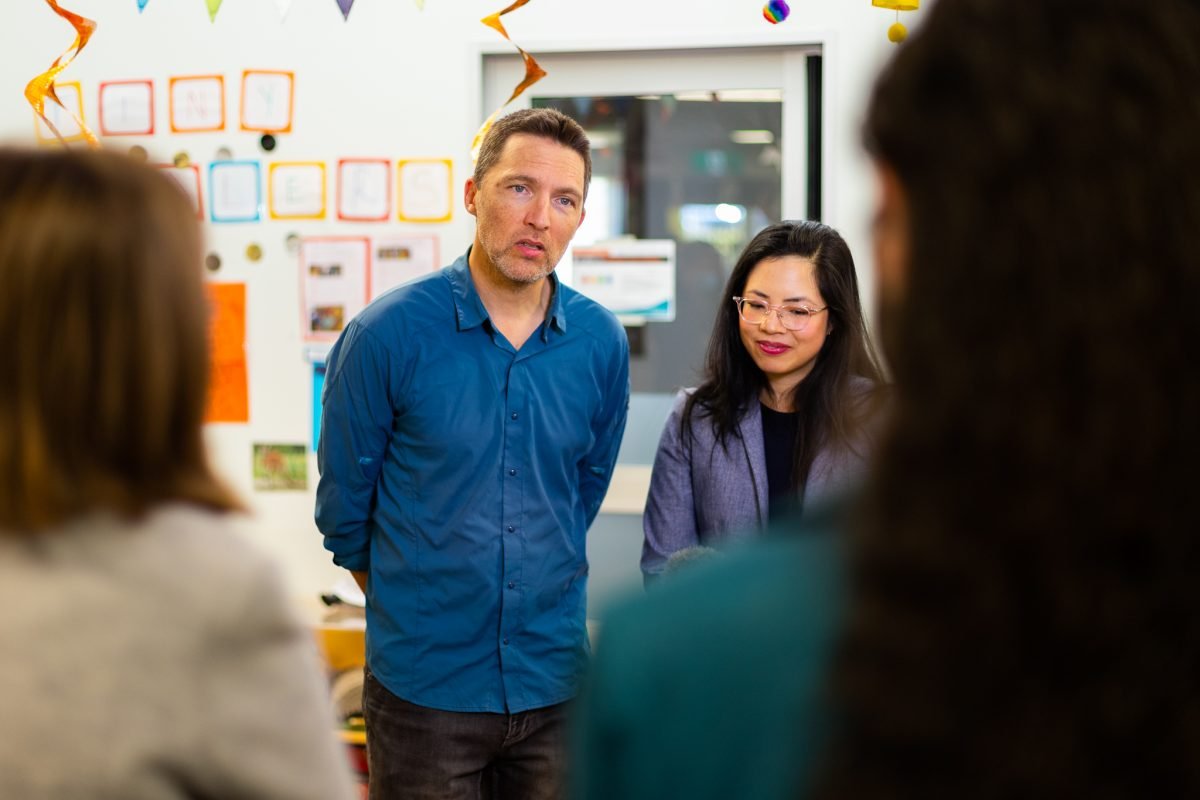
Are you an educator, parent or caregiver who wants to help children and young people lead more meaningful, connected, and fulfilling lives?
Do you feel there is more we can do to support the wellbeing of both our students and educators, but are unsure where to begin?
As researchers in education and psychology, we believe that education is at its best when it nurtures the whole person – head (thinking), heart (feeling), and hands (doing). Academic achievement matters, but test scores alone reveal only a small part of what helps individuals and communities thrive – qualities such as social and environmental concern, compassion, connection, and purpose.
The Curriculum of Giving is an evidence-based educational framework that places giving and social concern at the heart of learning. It is built on a simple but powerful insight: opportunities to give – to ourselves, others, our communities, the environment, and the wider ‘whole’ – are deeply connected to meaning, wellbeing, and human flourishing.
The Curriculum of Giving is not about adding another subject to an already crowded curriculum. Rather, it is about enriching what we already do by bringing a deeper understanding of what helps us all to thrive into classrooms, homes, and communities.
Whether you’re an educator, parent, or caregiver, we invite you to explore the ideas, resources, and practical approaches shared here.
Whatever brings you here, we hope you find something useful. We appreciate your interest and thank you for visiting.
With hope,
Thomas & Jennifer
Where to begin
The ecology of giving
Explore the many ways giving can enrich our lives, from caring for ourselves to contributing to the wider whole.
The pedagogy of giving
Discover six ways educators can nurture social concern and meaningful contribution in children and young people through exploration, modelling, explicit teaching, incidental learning, responding to challenges, and intentionality.
self care aims & stop
Practical, evidence-informed strategies for giving to self and supporting the wellbeing of children, young people, and adults.
The Five Portals
Practical, evidence-informed strategies for giving to others and supporting the wellbeing of children, young people, and adults.
free videos & pdf resources
Explore our collection of free , videos, and research-informed materials developed and shared since 2010.
Services
Find out how we can support you, your school or organisation through research-infromed professional learning, consultancy, and collaboration.
FAQs
Find answers to frequently asked questions about the Curriculum of Giving.
A look at some of our projects
We’ve had the immense privilege of working alongside a diverse range of schools, organisations, and communities, locally and internationally.
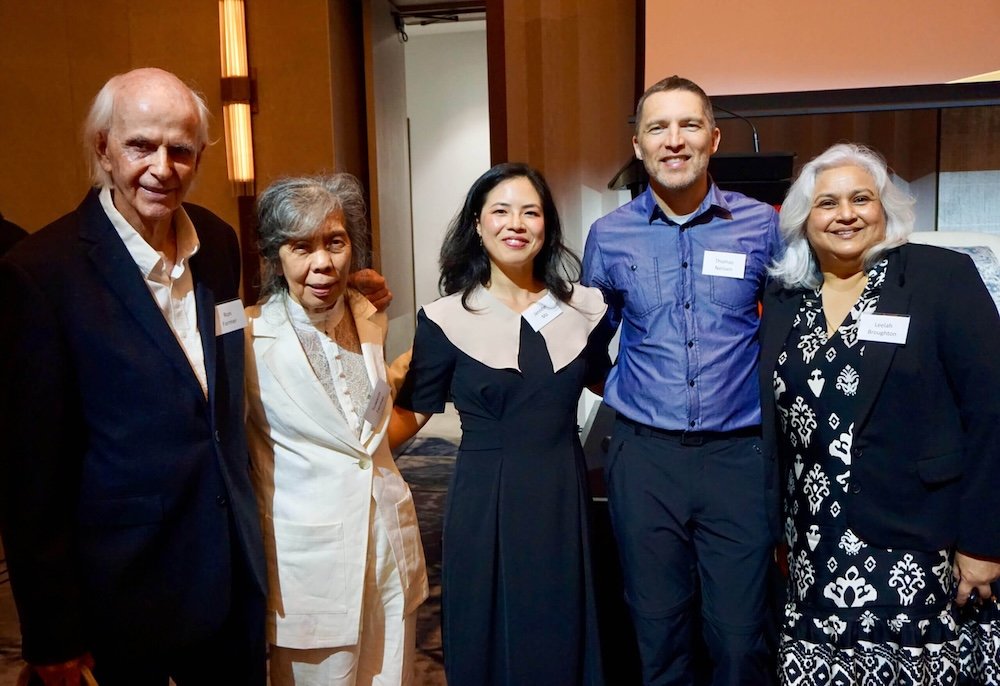
The Curriculum of Giving in Special Assistance Schools (2024-present)
The Toogoolawa School is an independent Special Assistance School (SAS) that has operated for over 25 years in Queensland to provide disadvantaged boys (grades 4-10) with a second chance at an education.
The school’s mission is to “provide a holistic and values-based education which also focuses on the wellbeing and character development of students” through the “five Human Values: Love, Peace, Truth, Right Conduct and Non-Violence”.
Since 2024, we have had the immense privilege of developing a close, ongoing partnership with Toogoolawa through our joint focus on the importance of giving, service, and contributing to others as a tangible pathway to connecting students’ ‘heads, hearts, and hands’ through learning.
Our work with Toogoolawa has included delivering professional learning and research to support staff with how to concurrently help themselves and their students to have more wellbeing in the context of evidence-based, best-practice, and the school’s policies and practices.
We are excited to continue to support Toogoolawa, as ‘critical friends’, in their journey to provide and expand their valuable services in the community.
Our International Consortia
(2022-present)
The International Beliefs and Values Institute:
IBAVI is a non-profit and non-partisan organisation that addresses real-world issues of conflict resolution, global education, human rights, religious and cultural understanding, and sustainability through innovative and interdisciplinary scholarship, education, and service.
The IBAVI’s mission is to explore beliefs and values and how they influence actions, policies, and practices around the world.
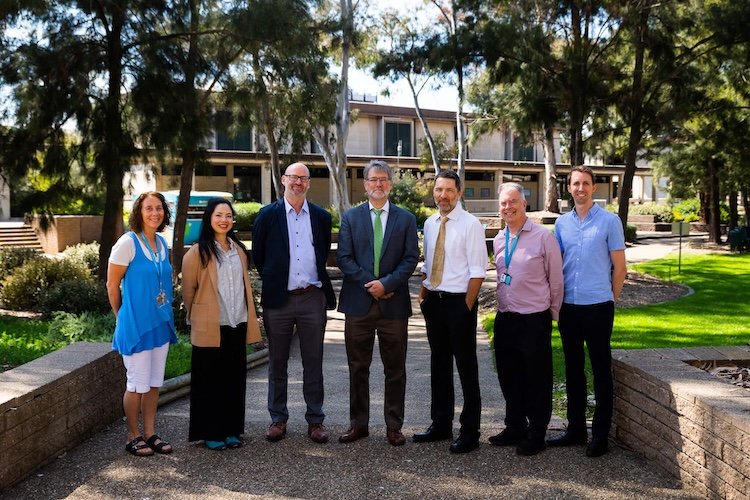
Since 2022, we have served as co-directors of the Australian IBAVI chapter at the University of Canberra (photo taken at the UC-IBAVI launch). We regularly meet with members from our and other institutional chapters across the world, including Chile, England, India, Japan, Spain, Sweden, and the USA, to identify meaningful opportunities for interdisciplinary dialogue and collaboration.
The Global Alliance for Values-based Education:
GAVE is an international, interdisciplinary organisation made up of volunteer members – scholars, educators, practitioners, students, leaders, policy-makers, citizens, and organisations – from around the world.
The alliance started on November 6th, 2022 out of a need to provide a connective space for all individuals and organisations working in values-based education, and with values more broadly, to come together to learn about, support, and advance research, practice, and policy into the role of generative values on human development/wellbeing, cultures, curricula, and systems.
From 2025-26, Thomas served as Chair of the GAVE organisation, and Jennifer as Chair of GAVE’s Research Committee. We continue to support and contribute to GAVE’s valuable mission, vision, and values as Steering Committee and Individual members of this global community.
A video of GAVE’s launch can be found here.
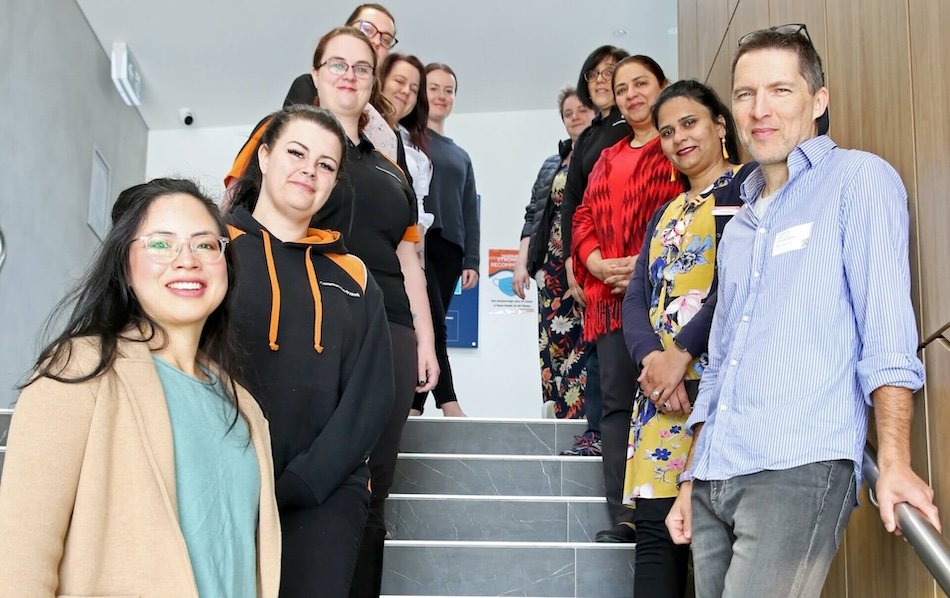
The Curriculum of Giving in children’s services (2021-22)
We partnered with Canberra’s largest provider of children’s services, Communities@Work to help build their wellbeing education capacity over 15 months.
Our project involved mapping out what wellbeing looked like across the organisation in terms of key challenges and goals for staff and families. Our approach was to work closely with the educators, using consultancy and collaborative processes to create an open and safe space for dialogue about how the research could be best translated into sustainable practice.
A copy of the final project report can be found here. A Communities@Work blog post about the project, and associated media coverage, can be also found here.
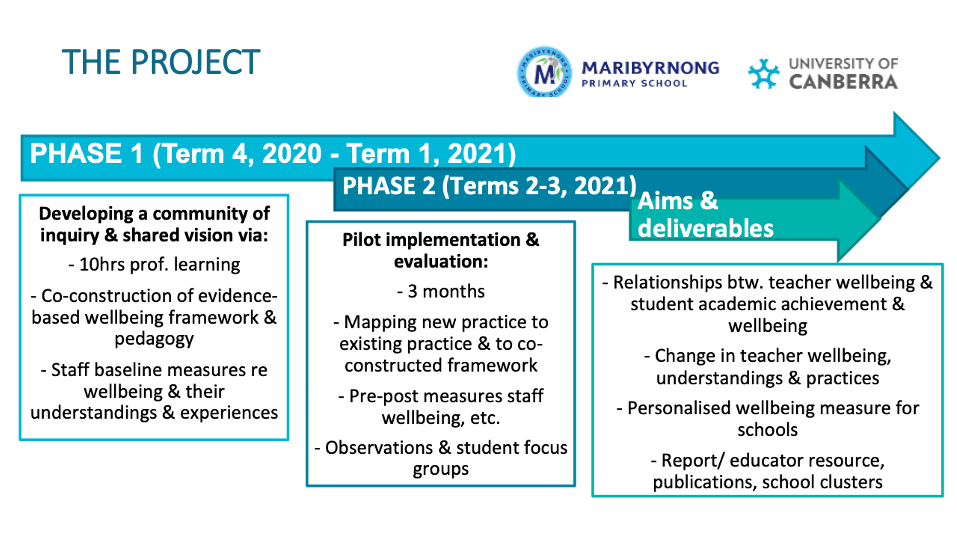
The Curriculum of Giving in Primary Schools (2020-21)
As one of the first recipients of the University of Canberra’s Affiliated Schools Research Program funding scheme, we chose to undertake a 10-month project with an affiliated Primary School interested in incorporating the Curriculum of Giving into their practice to support student and staff wellbeing.
Our approach was based on inter-disciplinary research that shows that altruistic motives and high levels of self-efficacy are key protective factors for teacher wellbeing, and teachers’ overall wellbeing and pedagogy tends to improve through teaching wellbeing principles and practices to their students.
Over two-thirds of staff reported continual engagement with the delivered professional learning content for their personal wellbeing and professional practice. This included the school’s efforts to incorporate the Curriculum of Giving across their K-6 unit planning to provide authentic learning experiences and support students’ sense of agency, belonging, autonomy and value to their local, national, and global communities.
A copy of the final project report can be found here.
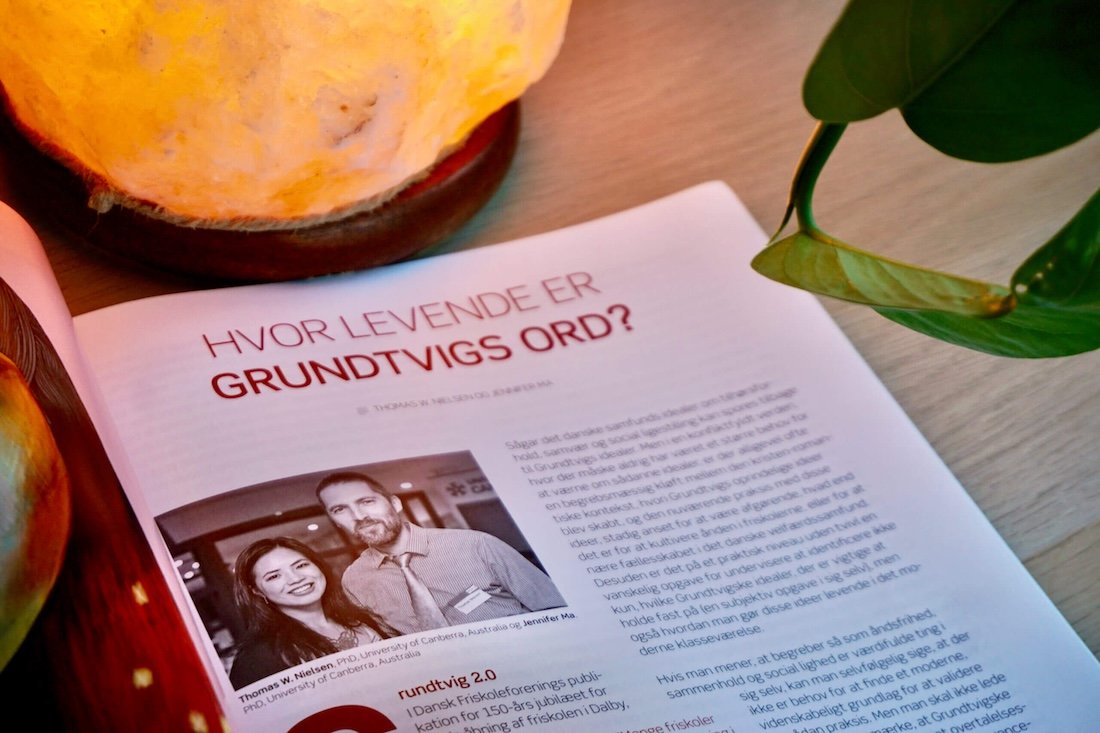
Learning from Scandinavian education (2018)
Have you ever wondered why the Scandinavian countries consistently rank the happiest in the world? Can this really be distilled down to their love of pastries and cosy interiors (e.g., hygge), or could this relate to something deeper?
In 2018, we went on sabbatical to learn about a unique educational tradition in Denmark – the ”Free School’ movement. This movement is supported by the Danish Government, and operates in parallel with their public education system, to provide students with opportunities for ‘life enlightenment’ and democratic education.
Thanks to the generosity of several school sites, we were able to experience the teaching philosophy and practices underlying each of the three sub-branches of this movement – the Friskoler (‘Free Schools’; grades 0-10), Efterskoler (‘After Schools’; grades 9-10), and Folke Højskoler (‘Folk High Schools’; adult education) as live-in researchers.
This trip reflected a ‘full circle’ moment for Thomas, a Dane returning home with the aim of helping fellow Danes to understand what’s so special about their social and educational systems. We hope to share this knowledge with international audiences as we work to highlight how social concern and giving can be tangibly integrated into education for our individual and collective wellbeing.
For those interested in reading more, our pictured article, ”How living is Grundtvig’s word’?, published in the Danish Free Teachers School’s magazine can be found online here (pps. 15-23).
Our academic article – ‘Examining the social characteristics underpinning Danish ‘hygge’ and their implications for promoting togetherness in multicultural education’ – published in Multicultural Education Review can also be found here.
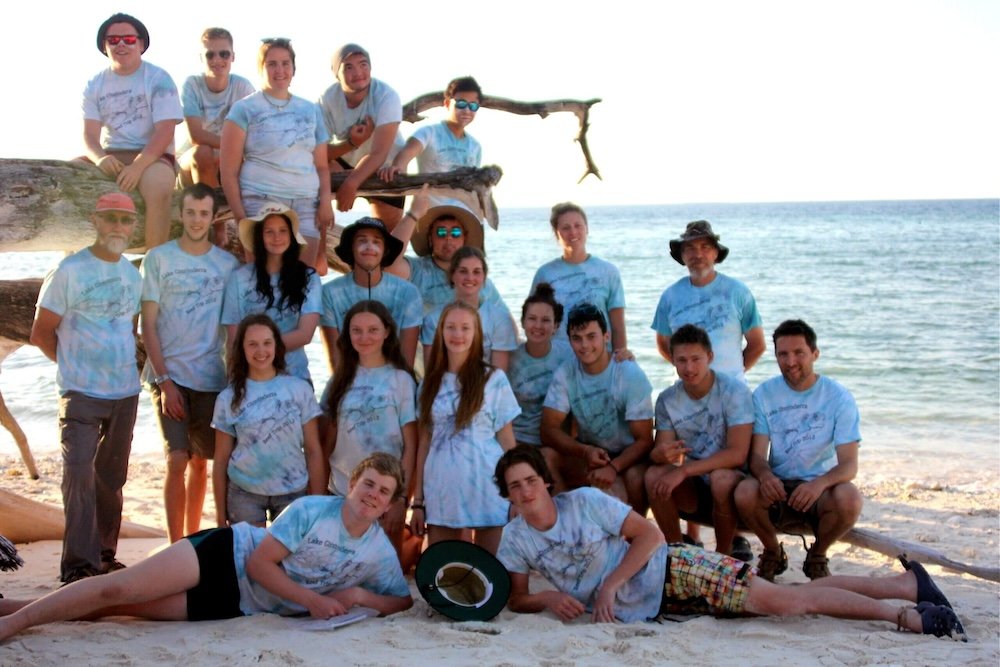
The Curriculum of Giving in Secondary Schools (2013-14)
Following his presentation on the Curriculum of Giving at the 16th National Outdoor Education Conference (NOEC), Thomas was invited by Peter Blunt, the lead teacher of a long-standing outdoor education program at a local college (Grades 11-12), to help implement the Curriculum of Giving on their next student trip to Lady Musgrave Island, Queensland, Australia.
What followed was a remarkable journey of discovery for Thomas as a researcher, and for the students and staff who participated in the program.
Through practical opportunities to practise gratitude, reflection, mindfulness, and giving, the outdoor education experience became much more than the acquisition of knowledge or simply having a ‘good time’. The Curriculum of Giving provided a framework through which students could develop deeper, more authentic relationships with themselves, others, and the natural world.
The experience also expanded our understanding of education itself. While immersive experiences in wild environments can help young people step outside everyday routines, reflect on their lives, and encounter the natural world in profound ways, the broader challenge is how educators, parents, and caregivers can create ongoing opportunities for children and young people to experience and care for nature within their everyday communities.
Our published studies from these trips can be found online:
2023: Six Modes of Giving Pedagogy for Engagement and Wellbeing – for Teachers and Students
Explore Our CG Blog
Our team
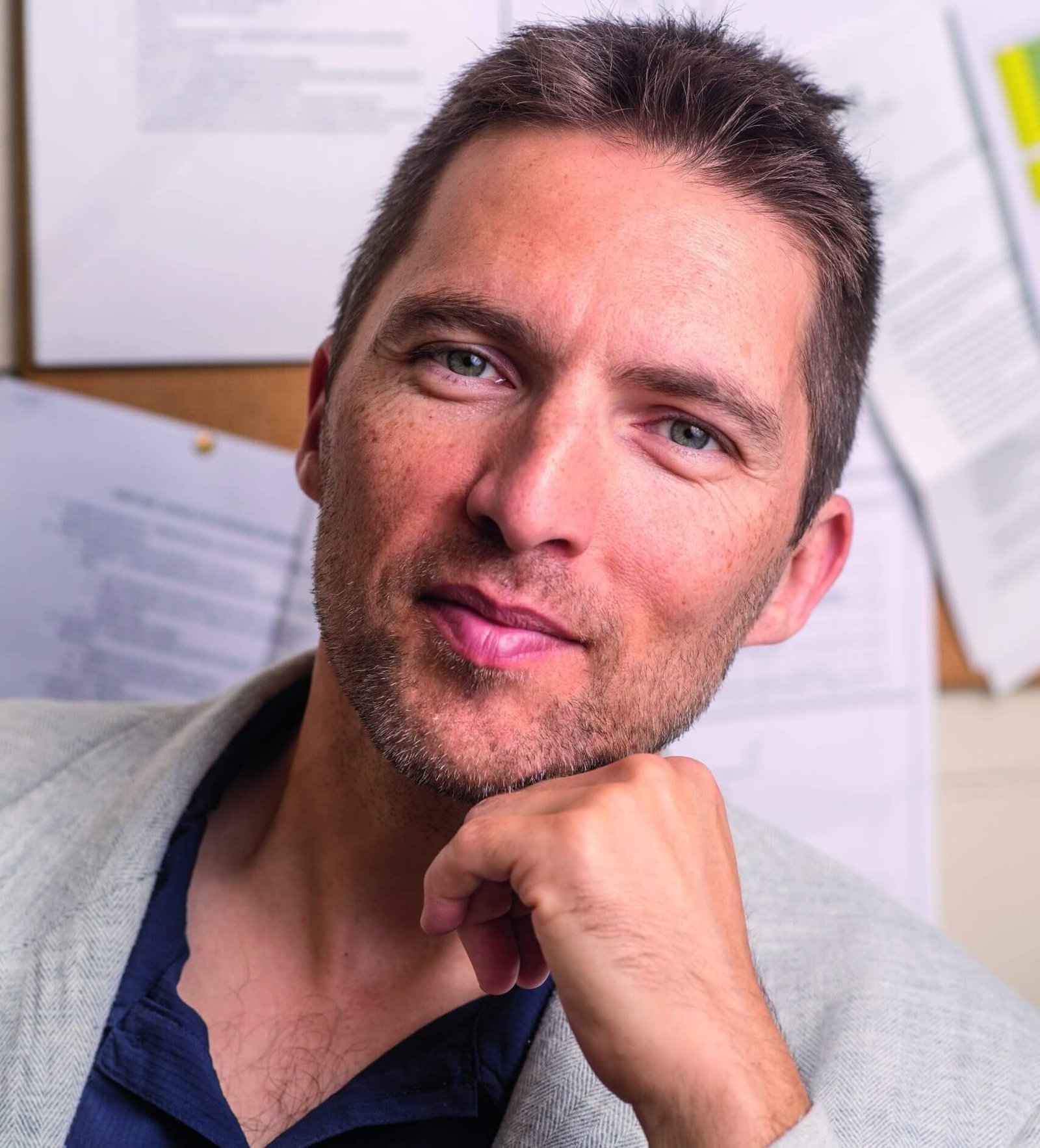
Associate Professor in education, University of Canberra
Thomas Nielsen – BEd (Hons), PhD
I’ve been fortunate to teach across every stage of education—from early childhood and primary school to secondary education, and now at university. Along the way, I’ve become fascinated by the deeper questions of how education might help us cultivate not only knowledge and skills, but also wisdom, compassion, and a sense of purpose in ways that contribute to the wellbeing of both people and the wider living world.
As a researcher, I’ve spent much of my career exploring the relationship between education, philosophy, and wellbeing. My work has explored themes including the importance of direct experience, imagination, values, wellbeing, and, more recently, giving and social concern. I’m particularly interested in the conversations that emerge between contemporary research and the insights of perennial wisdom traditions, and what they might offer to education today. I enjoy working with educators, parents, and communities, helping to bring these ideas into everyday life and practice.
Outside of teaching, I’ve practised martial arts (currently Brazilian Jiu-Jitsu) for most of my life. It’s a constant reminder that learning isn’t just about the mind—it’s something we experience through the whole person: body, heart, and spirit.
Learn more about me and my work on my University of Canberra, ResearchGate, and ORCID profiles, or visit the About Us page.
Adjunct Associate Professor
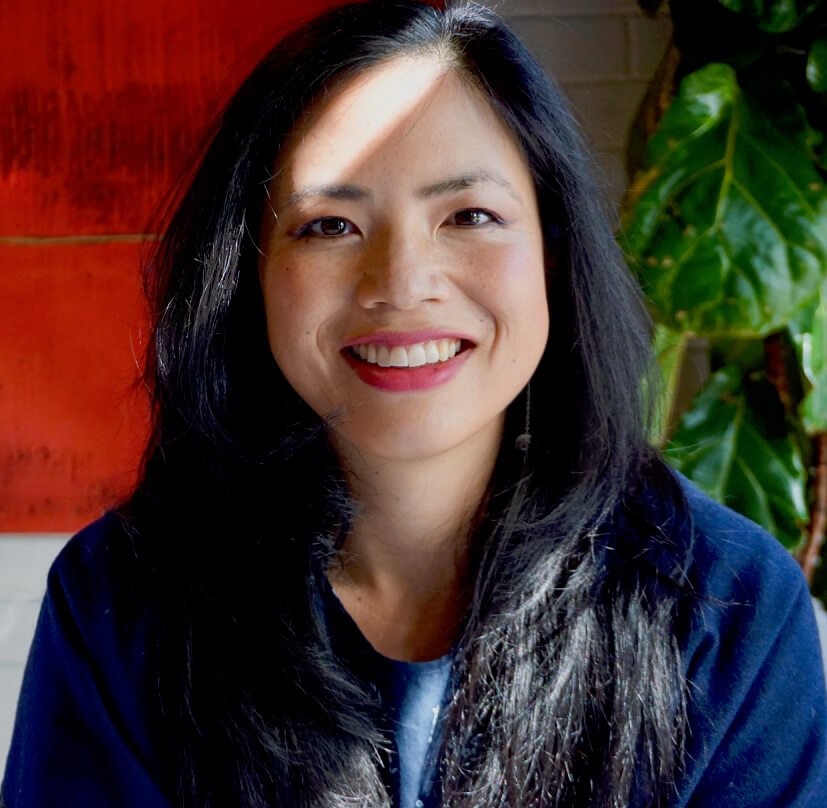
Jennifer Ma – BA (Gender, Sexuality & Culture), BPsy (Hons), PhD
I’ve long been drawn to the ‘big questions’—who am I, why am I here, and what gives life meaning?
Across cultures and time, connection, belonging, and love emerge as essential human needs, woven through our stories and visual traditions. Yet in our own lives, their presence can feel elusive. Why do so many of us feel disconnected – from ourselves, from one another, and from life?
With a background in psychology and public health research, my work explores how connectedness and belonging shape mental health and wellbeing. This has included a focus on community-based suicide prevention and the development of wellbeing education frameworks in schools.
Alongside this, I am an Iyengar yoga teacher trainee, engaging in an ongoing practice to explore these questions through observation and self-study of the body and consciousness.
Learn more about me and my work on my University of Canberra, ResearchGate, and ORCID profiles, or visit the About Us page.
Get in touch
Curious about the Curriculum of Giving or our work?
We’d love to hear from you. Whether you have a question, an idea, an experience to share, or simply something you’re curious about, get in touch by email or through our contact form.
Let’s explore what might be possible together.